
Kobe beef is universally recognized as the most luxurious, tender, and expensive meat in the world. With steaks costing hundreds of dollars, food enthusiasts and farmers alike constantly ask: how are kobe beef cattle raised to achieve such incredible quality?
The internet is full of wild myths about these animals drinking premium beer, listening to classical music, and receiving daily deep-tissue massages. But what is the actual truth behind the farming practices in Japan?
In this comprehensive guide, we will uncover exactly how are kobe beef cattle raised, explore the strict genetic rules of the Tajima bloodline, and separate the farming facts from the culinary fiction.
The Strict Genetics: Not All Wagyu is Kobe
Before we look at the daily care, we must understand the genetics. “Wagyu” simply translates to “Japanese cow.” However, Kobe beef comes exclusively from a very specific, purebred lineage of Wagyu known as the Tajima strain.
These cattle must be born, raised, and slaughtered strictly within the Hyogo Prefecture in Japan. If you are curious about how this specific bloodline compares to standard farming animals, you can read our complete breakdown of what are the different breeds of cattle used globally.
For the official rules and historical standards of this luxury meat, you can visit the Kobe Beef Marketing & Distribution Promotion Association.
5 Steps: How Are Kobe Beef Cattle Raised?
The secret to the buttery texture of the meat lies in a stress-free environment and a highly controlled feeding program. Here is exactly how are kobe beef cattle raised on an authentic Japanese farm.
Extended Maternal Care
Unlike commercial beef farms where calves are weaned very early, Tajima calves are kept with their mothers or hand-fed premium milk for a longer period. If a calf needs extra support, farmers spare no expense, utilizing only the best milk replacer for calves to ensure perfect early development.
A Highly Specialized Diet
At around 7 to 10 months of age, the cattle are introduced to a specialized, energy-rich diet. They are fed high-quality rice straw (which is essential for developing white fat color), maize, barley, and soybean residue.
Long Feeding Periods
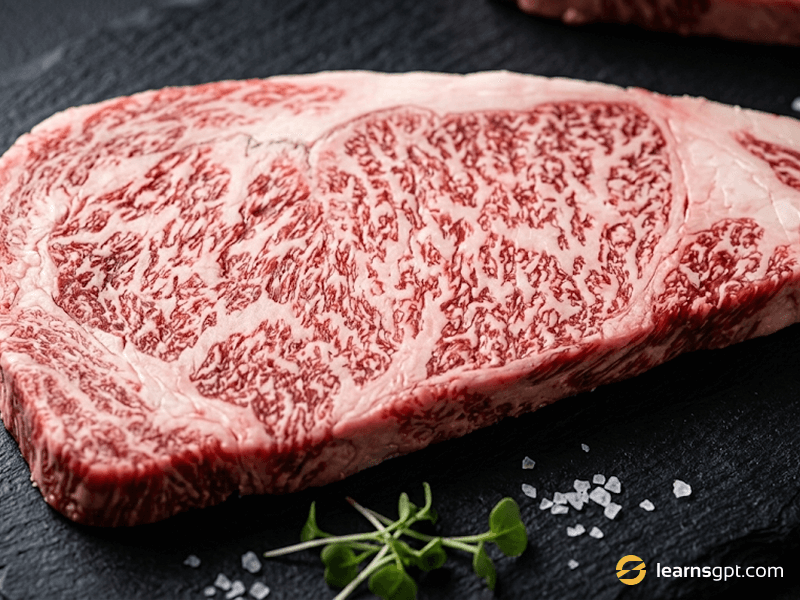
Standard commercial cattle are usually sent to market at 18 to 22 months of age. In contrast, when analyzing how are kobe beef cattle raised, you will find they are fed for a massive 30 to 32 months. This extended timeline allows the intramuscular fat (marbling) to develop slowly and perfectly.
A Stress-Free Environment
Stress produces cortisol, which degrades meat quality. These cattle are kept in small herds, in immaculate barns, and are never allowed to exert themselves excessively.
Constant Monitoring
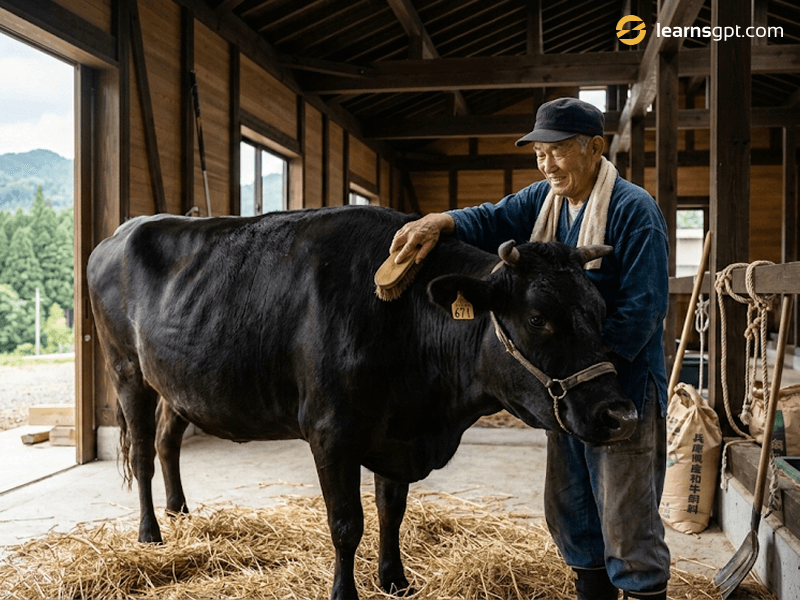
Farmers check on these animals multiple times a day. Their coats are brushed to keep them clean and comfortable, ensuring a calm temperament throughout their long lives.
The Truth About Beer and Massages
When people ask how are kobe beef cattle raised, they almost always ask about beer and massages.
- Beer: It is not a standard requirement. However, during the hot Japanese summers, a cow’s appetite can drop. Some traditional farmers will feed them beer or beer mash to stimulate their digestion and encourage them to eat more.
- Massages: Farmers do brush the cattle with stiff brushes. While this acts like a light massage to relieve stress and stiffness (especially since the cows do not roam in large pastures), it is not the deep-tissue spa treatment the internet claims it is!

The Financial Side of Luxury Beef
Raising animals for 30 months on premium feed in incredibly clean environments costs a fortune. Because of this intense care, the economic impact of beef cattle in the luxury Wagyu sector is enormous.
If you are a farmer thinking about raising your own Wagyu-style herd, the barrier to entry is massive. Purebred Wagyu embryos and live animals are incredibly expensive. Before investing, you should review our financial guide on how much are calves to buy to understand the incredible price difference between a standard Angus and a premium Wagyu calf.
Frequently Asked Questions (FAQs)
Exactly how are kobe beef cattle raised to get so much fat?
The intense fat (marbling) is primarily genetic (the Tajima bloodline) combined with an incredibly long, 30-month feeding period of high-energy grains and rice straw in a low-stress environment.
Do Kobe cows actually drink beer?
While not a mandatory industry standard, some traditional farmers do feed their cattle beer during the hot, humid summer months to stimulate their appetite and aid digestion.
Why is Kobe beef so expensive?
It is expensive due to the strict geographical rules, the purebred genetics, the limited supply (only a few thousand cattle qualify each year), and the massive cost of feeding an animal premium grain for almost three years.
Can Kobe beef be raised in the United States?
No. While you can raise “American Wagyu” (which is often a crossbreed of Wagyu and Angus) in the US, true Kobe beef must be born, raised, and processed exclusively in the Hyogo Prefecture of Japan.
Are Kobe beef cattle kept in cages?
No, they are not kept in small cages, but they do not roam freely on thousands of acres like open-range cattle. They are kept in clean, spacious, and well-ventilated open-air barns to limit excessive exercise, which prevents the meat from becoming tough.