
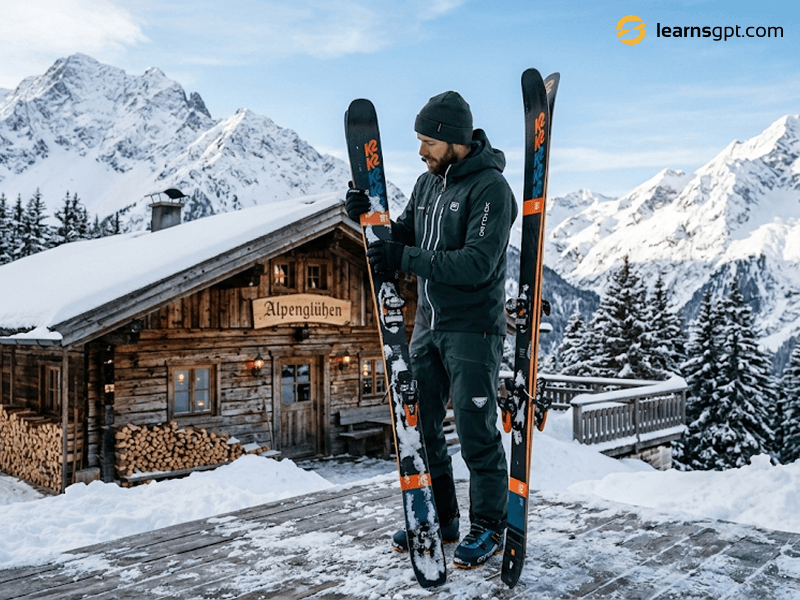
Whether you just bought a brand-new pair of planks or you are pulling a dusty set out of your garage, every winter athlete eventually asks the same vital question: exactly how long do skis last?
Ski equipment is a major financial investment. Unlike a cheap pair of gloves, your skis are highly engineered pieces of fiberglass, wood, and metal that endure extreme temperatures, massive amounts of friction, and heavy physical impacts. Over time, the materials degrade, which not only affects your performance on the slopes but also compromises your physical safety.
In this comprehensive gear guide, we will break down the true lifespan of alpine equipment, explore the physical signs that it is time for an upgrade, and answer the ultimate question of how long do skis last based on your specific riding style.
The Average Lifespan in Days, Not Years
When people ask how long do skis last, they usually want an answer in years. However, the ski industry measures the lifespan of equipment in days on the mountain.
A high-quality pair of modern skis will typically last between 100 to 150 skiing days before the core materials begin to break down.
What does this mean for you?
- The Casual Skier: If you only take one ski trip a year and ski for 10 days, your skis could easily last 10 to 15 years.
- The Local Enthusiast: If you live near a mountain and ski 30 days a season, you should expect to replace your skis every 3 to 5 seasons.
- The Ski Bum / Professional: If you are on the snow 100 days a season, your skis will lose their life in just one or two years.
For more technical insights on gear degradation and professional tuning standards, you can read the comprehensive equipment guides provided by REI Co-op Snowsports.
5 Signs It Is Time to Replace Your Skis
Even if you haven’t hit the 150-day mark, environmental factors and accidents can destroy your gear. If you are trying to figure out how long do skis last for your specific pair, look for these five critical signs of failure.
1. Loss of Camber and “Pop”
When you lay your skis flat on the floor, the middle should arch up slightly (this is called camber). Over the years, the wooden or composite core gets exhausted from constant bending. If your skis lay completely flat on the floor and feel “dead” or heavy when you turn, the core is shot.
2. Severe Core Shots and Base Damage
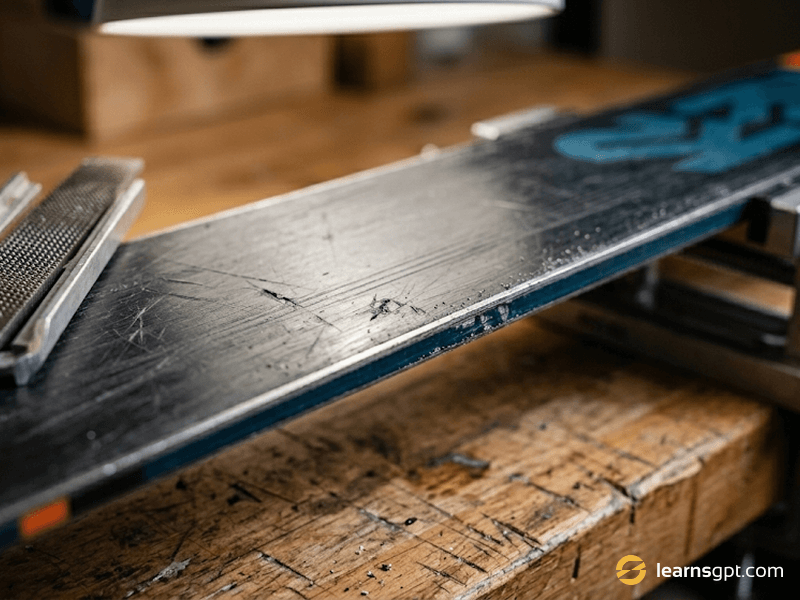
Scratches on the bottom (the base) are normal. However, if you hit a rock and gouge the base so deeply that you can see the wood or fiberglass core beneath it, moisture will enter the ski. Once water gets inside the core and freezes, the ski is permanently compromised.
3. Delamination
Delamination occurs when the top sheet of the ski starts peeling away from the core, or the metal edges start separating from the sidewall. Once the glue holding the layers together fails, the ski can literally snap in half under high pressure.
4. Cracked or Compressed Edges
The metal edges allow you to grip the ice and carve turns safely. If you hit a rock and physically crack the metal edge, or if the edge is compressed inward toward the core, it cannot be safely repaired.
5. Outdated Bindings
Sometimes, the ski itself is fine, but the bindings are dangerous. Ski bindings have springs that degrade over time. If your bindings are no longer indemnified (supported and tested) by ski shops, you must replace the entire setup to avoid devastating knee injuries.
How Old Gear Causes Leg Injuries
Understanding how long do skis last is not just about having the newest, shiniest gear; it is primarily about your physical health. When skis lose their natural flex and their edges become dull, you are forced to use significantly more muscle power to force the ski to turn.
This mechanical failure forces you into a “backseat” skiing posture. Constantly fighting dead skis puts immense, unnatural tension on your lower legs. If you are using old equipment and constantly wondering why do my calves hurt after skiing, your worn-out skis might be the main culprit.
Furthermore, having to constantly stabilize a vibrating, unstable ski will exhaust your soleus and gastrocnemius muscles. Just as runners experience pain from old running shoes, winter athletes find that tight calves cause shin splints when their ski gear stops absorbing the shock of the mountain.
Pro Tips to Extend Your Gear’s Life
If you want to stretch out the answer to how long do skis last, you need a strict maintenance routine.
- Dry Them Off: Never leave your skis wet in a roof box or a cold garage. Wipe down the metal edges with a dry towel at the end of every ski day to prevent rust.
- Wax Regularly: Waxing the base every 3 to 5 ski days keeps the material hydrated and prevents the base from drying out and cracking.
- Summer Storage: Apply a thick layer of storage wax at the end of the season and do not scrape it off until the first snowfall. Store them in a climate-controlled room inside your house, not in a damp shed.
Frequently Asked Questions (FAQs)
Is it safe to use skis that are 20 years old?
Generally, no. Even if they were only skied on 10 times, the glues, plastics, and epoxies holding 20-year-old skis and bindings together will have dried out and become brittle, making them extremely unsafe at high speeds.
Exactly how long do skis last if they are never used?
If kept in a climate-controlled environment, unused skis can last about 7 to 10 years before the plastics and resins naturally degrade. However, bindings degrade faster, and most shops will refuse to adjust bindings older than 7-10 years due to liability.
Can a core shot be repaired?
Yes, minor to moderate core shots can be repaired by a professional ski technician using P-Tex or a base patch. However, if water has already entered the wood core and caused it to swell or rot, the ski is ruined.
How often should I get my skis tuned?
You should get a basic edge sharpen and wax every 4 to 6 full days of skiing. A major base grind and structural tune-up should be done at the beginning or end of every season.
How do I know if my ski bindings are too old?
Every year, manufacturers release a list of “indemnified” bindings. If your specific binding model is no longer on that list, certified ski technicians will legally refuse to work on them or adjust them, meaning they are too old and unsafe to ride.