

When raising baby cows, every dedicated farmer or homesteader eventually asks: what is the best milk replacer for calves? Providing the correct nutrition during the first few weeks of a calf’s life is absolutely critical for the health, growth, and future productivity of your herd.
If you do not have access to natural cow’s milk, finding a high-quality substitute is your top priority. However, looking at the feed store shelves can be overwhelming. In this comprehensive guide, we will explore what makes a great formula and help you determine the best milk replacer for calves on your farm.
Why Quality Matters for Baby Cows
A calf is born with a developing immune system and a sensitive digestive tract. If you choose a low-quality powder, the calf can suffer from scours (diarrhea), malnutrition, and stunted growth.
Finding the best milk replacer for calves ensures they receive the right balance of proteins, fats, and essential vitamins. High-quality replacers mimic the mother’s natural milk, giving the young animal the energy it needs to thrive in varying weather conditions.
For scientific guidelines on calf nutrition, you can review the Penn State Extension Guide on Calf Care.
Key Ingredients in the Best Milk Replacer for Calves
To identify what is the best milk replacer for calves, you must read the ingredient tag carefully. Here is what you should look for:
1. Protein Sources:
The most digestible protein for a baby calf comes from milk. Look for ingredients like dried whey, dried skim milk, and casein. If the tag lists soy or wheat isolates, it is considered a lower-tier replacer because plant-based proteins are harder for calves under three weeks old to digest.
2. Fat Content:
Calves need fat for energy and body heat. A premium replacer will have 15% to 20% fat content, usually derived from animal fats (like lard or tallow) which are highly digestible for bovines.
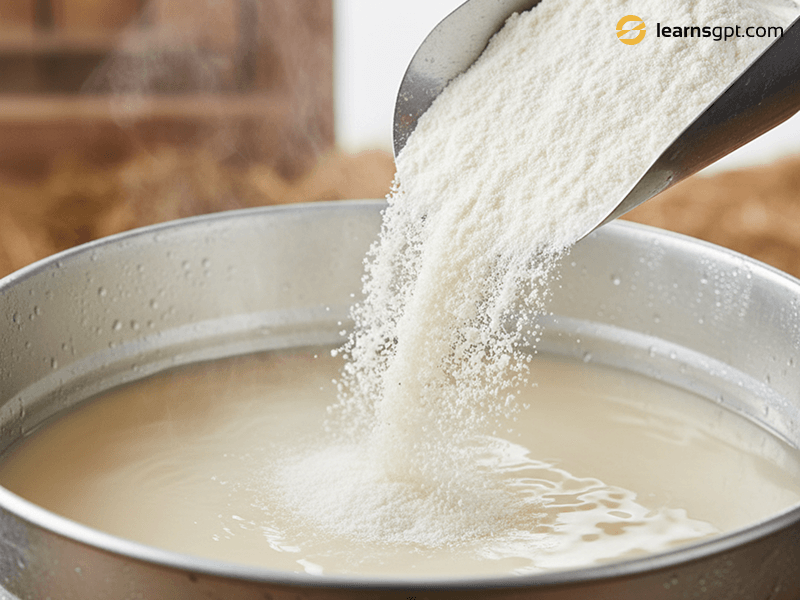
Top 5 Options: What is the Best Milk Replacer for Calves?
While specific brand availability varies by region, here are the 5 types of formulas you will encounter when searching for the best milk replacer for calves:
1. 100% All-Milk Protein Formulas:
This is universally considered the gold standard. Because all the protein comes from milk products, it offers the highest digestibility. It is slightly more expensive, but it prevents digestive upset.
2. Milk and Soy Blend Formulas:
A budget-friendly option. It mixes milk proteins with specially processed soy proteins. It is generally safe for calves older than three weeks who have started developing their digestive systems.
3. Medicated Milk Replacers:
These powders contain additives like Deccox or Bovatec to prevent coccidiosis, a common parasitic disease. They are highly recommended if your farm has a history of calf illness.
4. High-Fat Winter Formulas:
During cold months, a calf burns more calories simply trying to stay warm. A 24% fat formula might be the best milk replacer for calves born in freezing temperatures.
5. Non-Medicated All-Natural Formulas:
For organic farmers or those avoiding antibiotics, all-natural milk replacers are available. They often include probiotics and essential oils to support gut health naturally.
How to Mix and Feed the Best Milk Replacer for Calves
Even if you buy the most expensive powder, it will not work if prepared incorrectly. Always weigh the powder using a scale rather than guessing with a cup.
Mix the powder with warm water (around 110°F to 115°F or 43°C to 46°C). If the water is too hot, it will destroy essential proteins; if it is too cold, the powder will clump, leading to poor digestion.

Wait, Are You Looking for Human “Calves” Information?
Because the English language is tricky, you might have searched for “calves” expecting fitness and health information about the lower human leg! If you are not a farmer and just want to take care of your body, we have you covered.
If you are an athlete experiencing leg pain, find out how tight calves cause shin splints and learn how to treat it. Alternatively, if you are shopping for boots or compression socks, check out our easy step-by-step guide on how to measure calves.
Frequently Asked Questions (FAQs)
How long should I feed milk replacer to a calf?
Most calves are fed milk replacer for 6 to 8 weeks. You can begin the weaning process once the calf is consistently eating at least 2 pounds of solid calf starter grain per day for three consecutive days.
Can I use human baby formula for calves?
No, absolutely not. Human baby formula is designed for human infants and lacks the specific protein, fat, and vitamin ratios that a bovine needs to survive and grow.
What is the best milk replacer for calves with diarrhea?
If a calf has diarrhea (scours), you should feed an all-milk protein replacer because it is the easiest to digest. You will also need to supplement with oral electrolytes between milk feedings to prevent dehydration.
How much milk replacer should a calf drink daily?
A general rule of thumb is to feed a calf 10% of its body weight in liquid per day. For a standard 90-pound calf, this usually means feeding 2 quarts of mixed milk replacer twice a day.
Does the water temperature really matter when mixing?
Yes, it is crucial. Mixing the best milk replacer for calves with water that is too hot can denature the proteins and kill beneficial probiotics. Always aim for a mixing temperature of around 110°F to 115°F.