
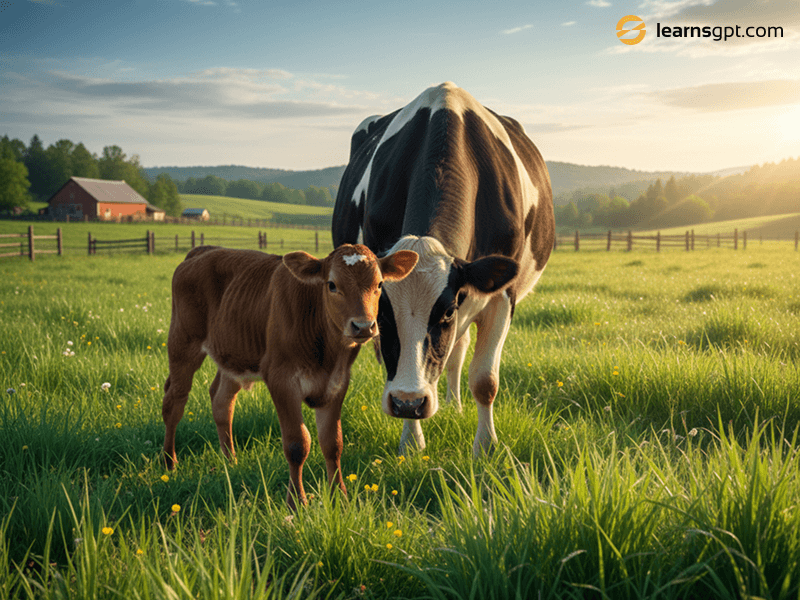
If you are new to the world of agriculture, livestock management, or homesteading, one of the most critical questions you must ask is: when is calving season? Knowing exactly when your cows are going to give birth dictates your entire farming schedule for the year.
Unlike wild animals that have a strict, nature-driven mating cycle, domesticated cattle are managed by farmers. This means that calving season is largely determined by when the farmer decides to introduce the bull to the herd or perform artificial insemination.
In this comprehensive guide, we will explore exactly when is calving season, the differences between spring and fall breeding, and how you can prepare your farm for the arrival of new baby calves.
The Biology Behind the Breeding Schedule
A cow’s gestation period (pregnancy) lasts roughly 283 days, which is just over nine months. To understand when is calving season, you simply have to count backward nine months from when you want the babies to be born.
Most traditional cattle farmers aim for a specific 60 to 90-day window. Having all the calves born within the same two-month period makes feeding, vaccinating, and eventually selling them much easier.
For an in-depth scientific look at herd management and breeding cycles, check out the University of Georgia Extension’s guide on Beef Cow Herd Management.
Spring: When is Calving Season at Its Peak?
If you ask the average farmer when is calving season, they will almost always answer: the spring. For the vast majority of beef cattle operations across the world, spring is the traditional time for birth.
The Spring Calving Window (Late February to May) Farmers breed their cows in the early summer (June/July) so that the calves drop in the spring.
Why is Spring so popular?
- Lush Pastures: Spring provides an abundance of fresh, highly nutritious green grass. The mother cow needs this massive boost in calories to produce enough milk for her newborn.
- Warmer Weather: While early spring can still have snowstorms, the weather is generally warming up. A calf born on a warm, sunny day has a significantly higher survival rate than one born in freezing winter temperatures.
- Natural Cycle: It aligns with the natural biological rhythms of wildlife, taking advantage of the earth’s natural growing season.
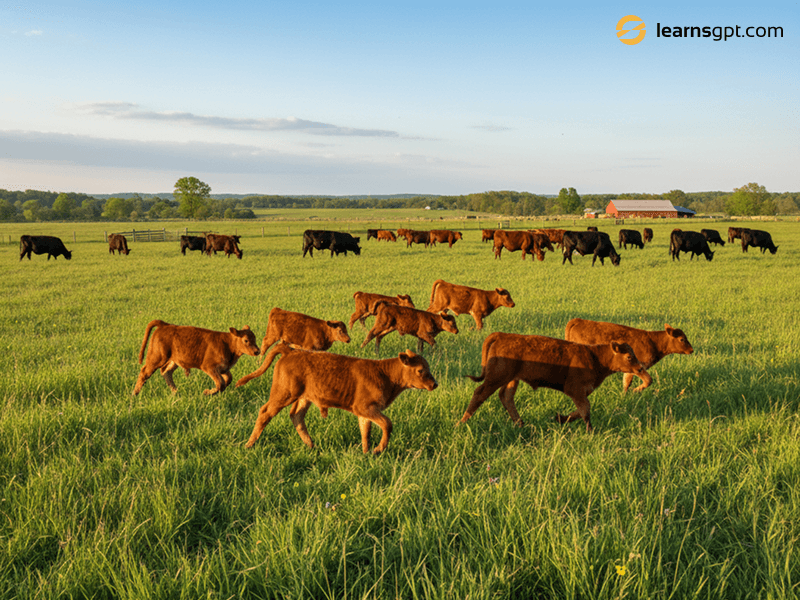
Fall: When is Calving Season for Alternative Herds?
While spring is the most popular, many farmers operate on a different schedule. If you live in a region with extremely hot, dry summers and mild winters, you might wonder when is calving season for your specific climate. The answer is usually the fall.
The Fall Calving Window (September to November) Farmers breed their cows in the winter (December/January) so the calves are born in the autumn.
Why choose Fall?
- Less Mud and Bacteria: Spring is notoriously muddy, which breeds bacteria and causes severe calf illnesses like scours (diarrhea). Fall weather is typically dry and stable, providing a cleaner environment for birth.
- Market Prices: Because everyone else is selling their spring calves in the fall, a farmer who calves in the fall can sell their weaned calves in the spring when supply is low and market prices are significantly higher.
- Cooler Temps: For southern climates, the extreme heat of summer is deadly for newborns. Fall provides cool, comfortable relief.
Preparing Your Farm for Newborns
Knowing when is calving season is only the first step; being prepared for emergencies is what makes you a successful farmer.
Even with the best planning, things go wrong. Sometimes, the stress of birth causes a mother to act aggressively. If you find yourself in a crisis, you must quickly understand why do cows reject their calves so you can intervene and save the baby.
If a calf is orphaned or rejected, you instantly become its mother. You will need to bottle-feed it immediately. Make sure your barn is fully stocked with the best milk replacer for calves long before the first cow goes into labor.
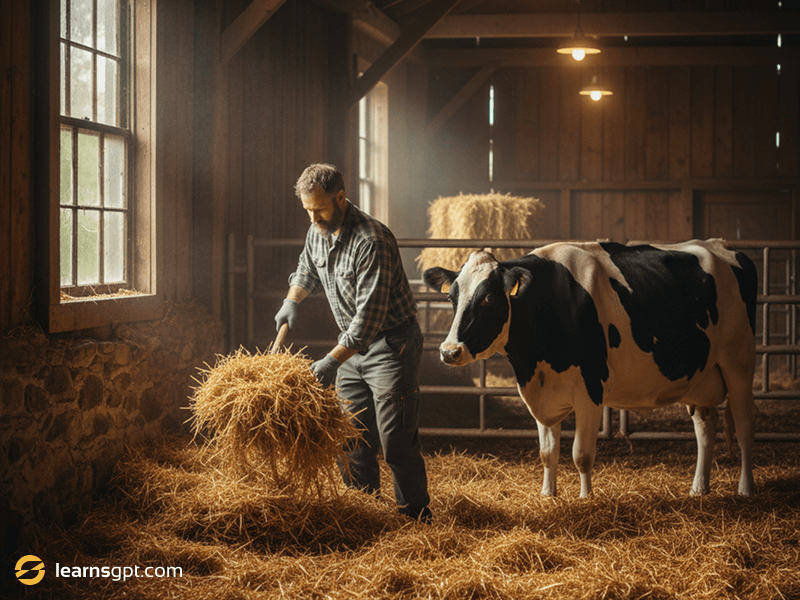
Preparing the barn for when is calving season.Furthermore, if your herd has a poor breeding year and you do not get as many babies as you planned, you might need to purchase replacements to keep your farm profitable. Check out our guide on how much are calves to buy to understand current auction and private sale prices.
Frequently Asked Questions (FAQs)
Exactly what months are considered calving season?
In North America and Europe, the primary spring calving season runs from late February through May. The secondary fall calving season runs from September through November.
How long does calving season last on a single farm?
A well-managed farm usually restricts its calving season to a 60 to 90-day window. This is achieved by only leaving the bull with the cows for that specific duration during the breeding season.
Do dairy cows have a specific calving season?
Unlike beef cows, dairy operations usually do not have a set season. To maintain a constant, year-round supply of milk for consumers, dairy farmers stagger their breeding so that calves are born every single month of the year.
Why is my cow giving birth in the middle of winter?
If you have a calf born in December or January, it means the bull was left with the herd year-round and bred the cow early, or you purchased a cow that was already pregnant on an off-schedule. Winter calving requires heavy barns and heat lamps to keep the calf alive.
How do I know when a cow is about to calve?
As the season approaches, look for a swollen udder (bagging up), a sunken appearance around the tailhead, restlessness, and the cow separating herself from the rest of the herd to find a quiet place in the pasture.