
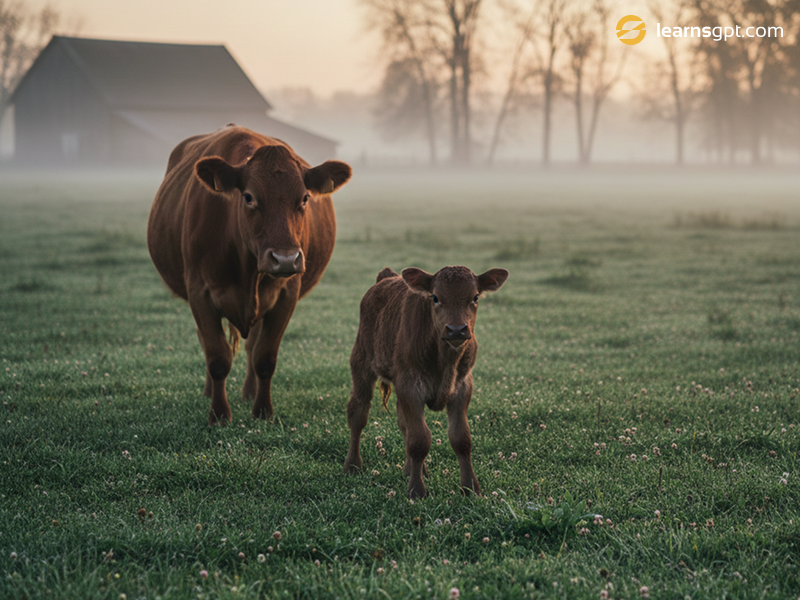
If you have spent any time raising livestock, you will inevitably face a heartbreaking moment where you must ask: why do cows reject their calves? After months of careful gestation, watching a mother cow refuse to nurse, kick away, or even attack her newborn baby is highly stressful for any farmer or homesteader.
Understanding the root cause of maternal rejection is crucial. It dictates how you should intervene to save the baby’s life and whether you should keep the mother in your breeding herd.
In this comprehensive guide, we will break down the exact biological and environmental reasons explaining why do cows reject their calves, and provide actionable steps to handle the situation effectively.
The Maternal Bonding Process in Bovines
To understand why do cows reject their calves, you first need to understand how the maternal bond is formed. Immediately after giving birth, a healthy cow relies on her sense of smell and the release of oxytocin (the bonding hormone) to recognize her baby.
She will typically begin licking the calf to clean off the amniotic fluid. This licking stimulates the calf’s circulation and solidifies the scent bond between them. If anything disrupts this critical 30-to-60-minute window after birth, the chances of rejection skyrocket.
For scientific insights into livestock behavior and calving management, you can refer to the University of Nebraska-Lincoln Beef Extension Guide.
7 Common Reasons: Why Do Cows Reject Their Calves?
When a farmer asks why do cows reject their calves, the answer usually falls into one of these seven distinct categories:
1. First-Time Mothers (Heifers)
This is the most common cause. A heifer giving birth for the first time has never experienced the pain of labor or the sudden presence of a calf trying to nurse. The unfamiliar sensation can trigger fear and confusion, causing her to run away from the newborn.
2. Extreme Pain or Difficult Birth (Dystocia)
If the calving process was long, traumatic, or required heavy human intervention to pull the calf out, the mother will be exhausted and in severe pain. When in survival mode, a cow’s natural instinct is to abandon the baby to protect her own life.
3. Human Interference and Scent Confusion
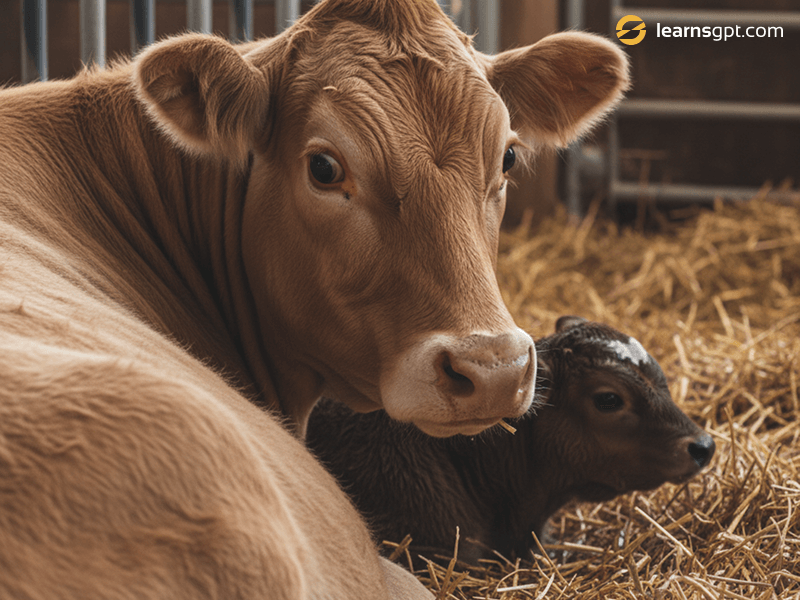
While it is tempting to pet the new baby or dry it off with a towel, too much human interference alters the calf’s natural scent. If the mother smells a human, a dog, or weird soaps instead of her own amniotic fluid, this is a prime reason why do cows reject their calves.
4. Giving Birth to Twins
Cows are naturally designed to raise one baby at a time. If a cow gives birth to twins, she will often bond with the first one and completely ignore or reject the second one.
5. Nutritional Deficiencies
A cow suffering from malnutrition, low calcium (milk fever), or general sickness during late gestation will lack the energy to care for a newborn. Her body prioritizes her own survival over the calf’s.
6. Predation and Environmental Stress
If a cow feels threatened by coyotes, stray dogs, or extreme weather conditions during birth, her fight-or-flight response will kick in. This severe stress disrupts oxytocin production, leading directly to abandonment.
7. Poor Maternal Genetics
Sometimes, bad mothering is simply hardwired into the cow’s DNA. If you find yourself repeatedly wondering why do cows reject their calves when dealing with the same specific animal year after year, it is likely a genetic flaw.
What to Do When Rejection Happens
If you have determined why do cows reject their calves, you must act quickly. A newborn calf needs colostrum (the first milk full of antibodies) within the first 6 to 12 hours of life to survive.
First, you can try safely restraining the mother in a head catch or calving pen. This prevents her from kicking while you physically guide the calf to nurse. Often, once the pressure in the cow’s udder is relieved, she will accept the baby.
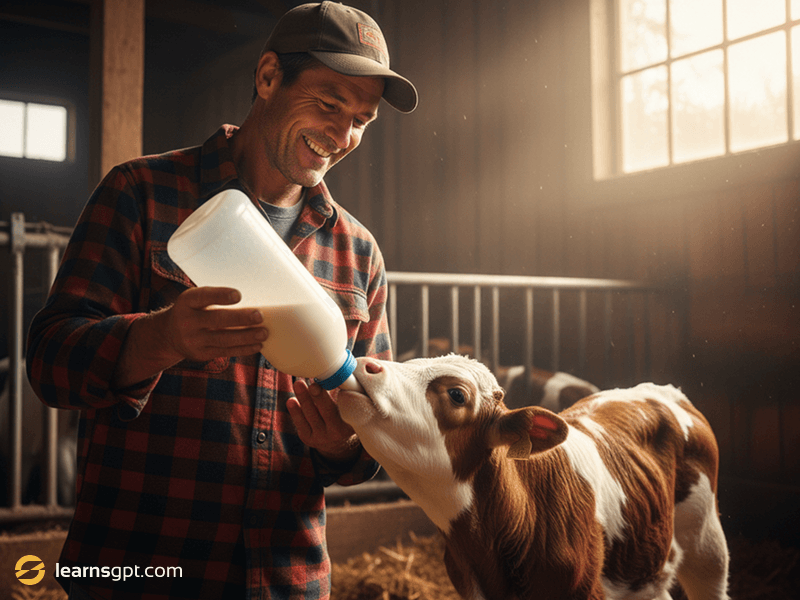
If she remains aggressive, you must remove the calf permanently for its own safety. At this point, the calf becomes a “bottle calf.” This means you will need to purchase high-quality formula. Be sure to read our complete guide on exactly what is the best milk replacer for calves to ensure the orphan gets proper nutrition.
Furthermore, if the calf unfortunately does not survive the rejection, or if you are looking to buy a buddy for your new orphan, you will need to know the current market rates. Check out our detailed breakdown on how much are calves to buy to prepare your farm budget.
Frequently Asked Questions (FAQs)
Can a cow change her mind after rejecting a calf?
Yes, especially if she is a first-time mother. By safely restraining her in a chute and allowing the calf to nurse a few times over 24 to 48 hours, her hormones may balance out, leading her to finally accept the baby.
Why do cows kick their calves when they try to nurse?
Kicking is usually a sign of pain. The cow might have an infected udder (mastitis), swollen teats, or she is simply a nervous heifer who is terrified of the new sensation of nursing.
How long can a newborn calf survive without milk?
A newborn calf should ideally receive colostrum within the first 4 hours of life. If a calf goes more than 12 to 24 hours without any milk, its chances of survival drop drastically due to dehydration and a lack of protective antibodies.
Will a cow reject a calf if I touch it?
If you touch the calf before the mother has had a chance to lick it and bond, yes, she might reject it. Always observe from a distance unless the calf is in immediate danger or the birth requires veterinary intervention.
Should I sell a cow that rejects her calf?
If a mature cow rejects her calf for a second consecutive year under normal, healthy conditions, most farmers will sell (cull) her. Poor maternal instinct is an expensive and dangerous trait to keep in a breeding herd.