

Many runners, athletes, and fitness enthusiasts eventually ask themselves: can tight calves cause shin splints? The short answer is an absolute yes. When your lower leg muscles lack flexibility, it creates a domino effect of tension throughout your legs.
If you are dealing with sharp or throbbing pain along your shin bone (tibia), understanding the root cause is your first step toward recovery.
In this article, we will explain exactly how tight calves cause shin splints, what signs you should look out for, and how you can treat the pain to get back to your active lifestyle.
Understanding the Connection Between Calf Muscles and Your Shins
To understand why tight calves cause shin splints, we first need to look at the anatomy of your lower leg. Your calf is primarily made up of two main muscles: the gastrocnemius and the soleus.
These muscles merge at the bottom to form your Achilles tendon. However, they also share a connective tissue relationship with the muscles and fascia attached to the front of your lower leg, right along your tibia (shin bone).
When everything is flexible and functioning correctly, these muscles work together to absorb the shock of walking, running, or jumping. But when things get tight, problems arise.
How Exactly Do Tight Calves Cause Shin Splints?
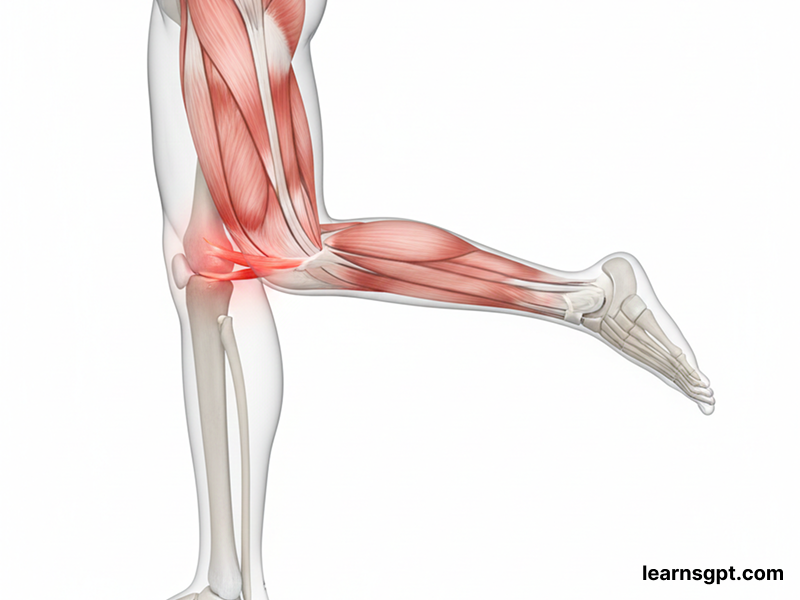
When you run or walk, your foot strikes the ground, sending shockwaves up your leg. If your calf muscles are tight, they lose their ability to act as natural shock absorbers.
Because the calf muscles cannot absorb the impact, the stress is transferred directly to the bones and connective tissues in the front of your leg. This constant pulling and extra stress lead to micro-tears in the muscle and bone tissue.
Furthermore, tight calves alter your running biomechanics. They limit ankle dorsiflexion (the ability to bring your toes toward your shin). This forces your foot to overpronate (roll inward), which is a massive contributing factor to medial tibial stress syndrome (the medical term for shin splints).
Therefore, it is scientifically proven that tight calves cause shin splints by increasing shock, altering foot mechanics, and pulling on the surrounding fascia.
For a deeper understanding of medial tibial stress syndrome, you can read more from this excellent resource by the Mayo Clinic on Shin Splints.
5 Ways to Treat and Prevent Shin Splints from Tight Calves
If you have realized that your tight calves cause shin splints, don’t panic. There are several highly effective ways to loosen those muscles and relieve the pressure on your shins.
1. Regular Foam Rolling
Using a foam roller on your calves helps break up fascial adhesions and knots. Spend 2 to 3 minutes rolling out each calf before and after your workouts. If you find a tender spot, hold the roller there for 30 seconds.
2. Dynamic and Static Stretching

Never run on cold, tight muscles. Use dynamic stretches (like calf raises and ankle circles) before your workout. After your workout, use static stretches (like the classic wall stretch).
3. Wear Proper Footwear
Shoes without proper arch support or adequate cushioning will make calf tightness worse. Visit a specialty running store to get your gait analyzed and ensure you are wearing the right shoes for your foot type.
4. Strengthen Your Anterior Tibialis
The muscle on the front of your shin (anterior tibialis) often gets overpowered by tight calves. You can strengthen it by doing toe taps or using a resistance band to pull your toes toward your body.
5. Adjust Your Training Volume
Sometimes, muscles get tight simply because they are overworked. If your tight calves cause shin splints, you may need to reduce your running mileage temporarily. Check out our complete guide to safe running mileage to learn how to increase your distance safely.
When to See a Doctor
While knowing that tight calves cause shin splints helps you treat the issue at home, sometimes the pain indicates a more serious problem, like a stress fracture.
If your pain is severe, persists even when you are resting, or if you notice swelling and redness that is hot to the touch, please consult a physical therapist or a medical professional immediately.
Frequently Asked Questions (FAQs)
Can tight calves cause shin splints even if I don’t run?
Yes. While running is the most common trigger, simply walking long distances, wearing high heels, or standing for long hours can cause your calves to tighten, eventually leading to shin splint pain.
How long does it take to fix shin splints caused by tight calves?
With proper rest, daily stretching, and foam rolling, mild shin splints can improve within 2 to 4 weeks. However, severe cases might take a few months to fully heal.
Does magnesium help with tight calves?
Yes, magnesium plays a crucial role in muscle relaxation. If your tight calves are prone to cramping, supplementing with magnesium or eating magnesium-rich foods might help relax the muscle fibers.
Should I use ice or heat for tight calves and shin splints?
Use ice on your shins after an activity to reduce inflammation and pain. Use heat on your tight calves before an activity or stretching session to loosen the muscle fibers and increase blood flow.
Are compression socks good for shin splints?
Compression socks can increase blood flow to the lower legs and reduce muscle vibration during high-impact activities. This can provide relief and help prevent the fatigue that makes calf muscles tighten up in the first place.
Conclusion:
Lower leg pain can be incredibly frustrating, but knowledge is power. Now that you understand exactly how tight calves cause shin splints, you can take proactive steps to stretch, strengthen, and recover. Keep up with your mobility routine, listen to your body, and you’ll be back on your feet pain-free in no time!