

If you are standing in the middle of the grocery store dairy aisle looking at your recipe, you are likely asking yourself a very common question: is heavy cream and whipping cream the same? They sit right next to each other, look exactly the same in the carton, and are often used in similar recipes, which makes shopping incredibly confusing.
The short answer is no; they are not exactly the same. While you can often swap them in a pinch, the crucial difference lies entirely in their milk fat content. This tiny difference in fat percentage dictates how they will react when you whip them, boil them, or bake with them.
In this comprehensive culinary guide, we will definitively answer the question of is heavy cream and whipping cream the same, outline the top 5 differences, and explain exactly when you should use each one in your kitchen.
The Golden Rule: Fat Content
To understand is heavy cream and whipping cream the same, you have to look at the official dairy standards set by food regulators. The primary difference is the amount of butterfat floating in the liquid.
- Heavy Cream (also labeled as Heavy Whipping Cream): This product must contain a minimum of 36% milk fat.
- Whipping Cream (or Light Whipping Cream): This product contains between 30% and 35% milk fat.
That 1% to 6% difference might seem tiny, but in the world of baking and culinary chemistry, fat is structural. Fat is what traps air bubbles when you whisk it, and it is what protects dairy from curdling under high heat.
For a more detailed, scientific breakdown of dairy fat percentages and cooking science, check out the comprehensive guides provided by The Spruce Eats on Dairy Standards.
5 Differences: Is Heavy Cream and Whipping Cream the Same?
If you are trying to decide which carton to buy, here are the top 5 differences you need to keep in mind.
Peak Stiffness and Hold
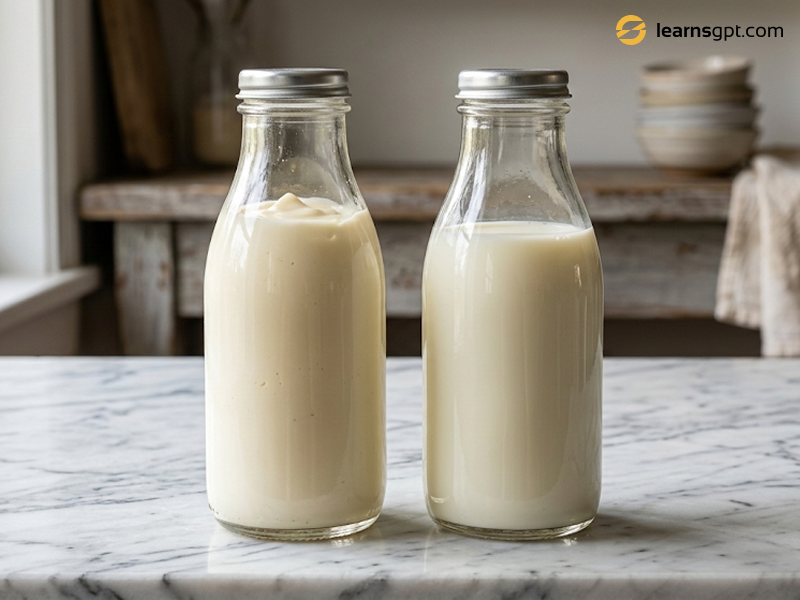
Because heavy cream has more fat (36%+), it whips up much faster and holds its stiff peaks for a much longer time. If you are piping decorations on a cake that needs to sit in the fridge overnight, you must use the heavy version. The lighter whipping cream will create soft, airy peaks that quickly lose their shape and turn liquid again.
Boiling and Curdling Resistance
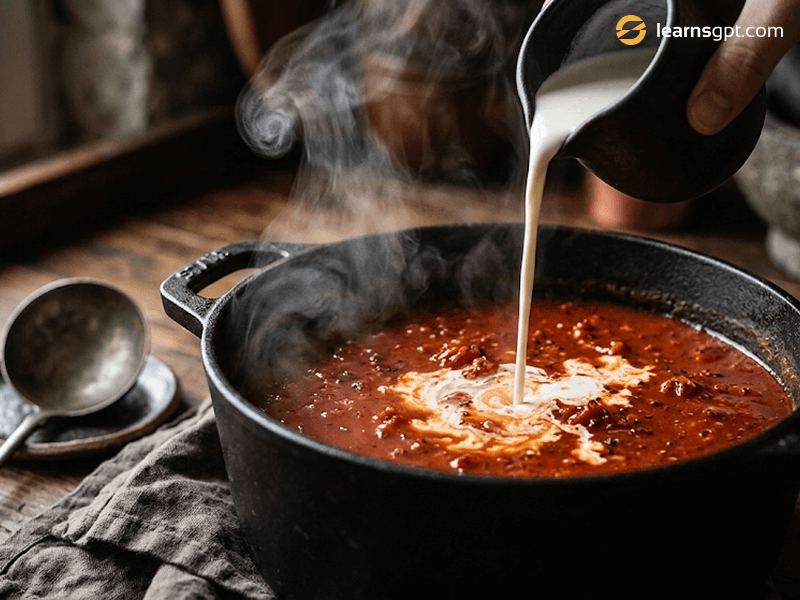
Have you ever poured dairy into a hot soup only for it to separate into gross, grainy chunks? That is called curdling. The higher the fat content, the more resistant the liquid is to heat and acidic ingredients (like tomatoes or lemon). Heavy cream can be boiled safely; standard whipping cream is more delicate and should only be gently simmered.
Texture and Mouthfeel
When comparing is heavy cream and whipping cream the same in terms of taste, the heavy option will always provide a richer, thicker, and more velvety mouthfeel in sauces like Alfredo or savory gravies.
Caloric Density
Because fat holds more calories per gram than any other macronutrient, heavy cream is significantly higher in calories. If you are strictly watching your caloric intake but still want a creamy coffee or a soft dessert topping, the 30% whipping cream is the slightly lighter choice.
The Labeling Trick
Sometimes, the confusion over is heavy cream and whipping cream the same comes from the label “Heavy Whipping Cream.” If the carton says “Heavy” anywhere on it, it has 36% fat. If it just says “Whipping Cream,” it is the lighter 30% version.
How to Substitute Dairy in Recipes
So, can you use them interchangeably? Yes, most of the time! If you are making a basic ganache or splashing it into your morning coffee, either one will work perfectly.
However, if you are out of both options, don’t panic! You can easily make your own DIY substitute. Check out our popular guide on exactly how can I replace heavy cream with milk using butter and cornstarch to save your recipe.
If you love experimenting with natural dairy in your kitchen, you can also use rich cream to create fermented products. Read our step-by-step tutorial on how to make sour cream from raw milk for a delicious homesteading project.
Ultimately, the quality of your cream depends on the cow it came from! Certain cows produce way more fat than others. You can learn all about this in our agricultural breakdown of what are the different breeds of cattle.
Frequently Asked Questions (FAQs)
Can I use whipping cream instead of heavy cream in soup?
You can, but you must be careful. Because it has less fat, it is more prone to curdling. Add it at the very end of your cooking process and do not let the soup come to a rolling boil after it has been added.
Which one is better for making homemade ice cream?
Heavy cream is always the better choice for ice cream. The higher fat content prevents large ice crystals from forming, resulting in a much smoother, creamier scoop.
Is heavy whipping cream the same as heavy cream?
Yes! This is a major source of confusion. “Heavy Cream” and “Heavy Whipping Cream” are two different names for the exact same product containing at least 36% milk fat.
Can you overwhip both types of cream?
Yes. If you whip either of them for too long, the fat solids will completely separate from the liquids (buttermilk), and you will accidentally make butter. Heavy cream turns into butter much faster because of its higher fat content.
Why did my whipping cream go flat on my pie?
Standard whipping cream (30% fat) does not hold its structure well over time. If you piped it onto a pie and left it for a few hours, the air bubbles collapsed. Next time, use the heavy 36% version for a stable hold.