
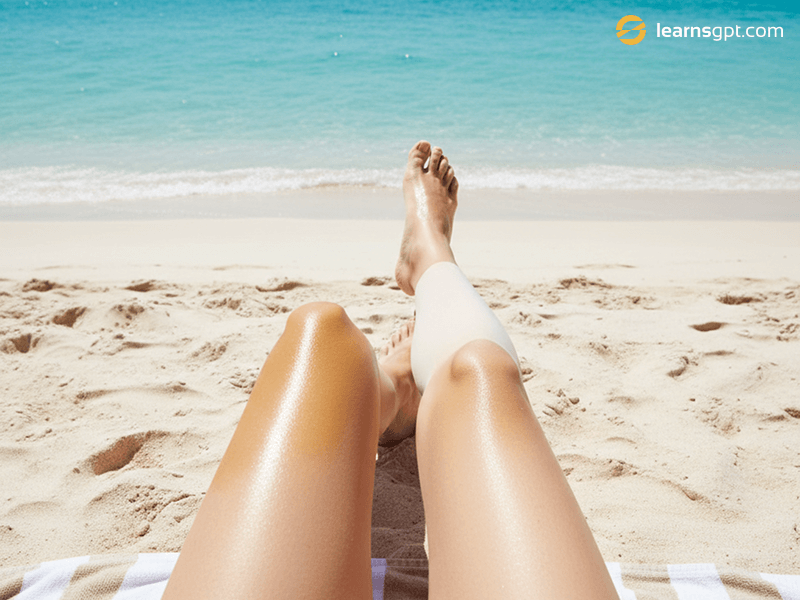
Have you ever spent a glorious week at the beach, getting a beautiful golden glow on your shoulders, arms, and thighs, only to look down and ask: why do my calves not tan? You are definitely not alone. It is a highly common and frustrating phenomenon.
Many people find that their lower legs remain stubbornly pale, no matter how much time they spend soaking up the sun. The truth is, your lower legs are biologically and mechanically different from the rest of your body.
In this comprehensive guide, we will uncover exactly why do my calves not tan, the science behind melanin production in your lower legs, and the best ways to finally achieve an even, full-body glow.
The Science of Tanning and Your Lower Legs
Tanning is your skin’s natural defense mechanism against ultraviolet (UV) rays from the sun. When UV rays hit your skin, cells called melanocytes produce melanin, the pigment that darkens your skin.
However, melanocytes are not distributed equally across your entire body. Furthermore, the skin on your lower legs goes through significantly more wear and tear than the skin on your back or chest. If you are constantly wondering, why do my calves not tan, you need to look at both biology and your daily habits.
For a deeper medical understanding of how your skin reacts to the sun, you can read the Skin Cancer Foundation’s Guide to Melanin and Sun Exposure.
5 Reasons: Why Do My Calves Not Tan?
Here are the top five reasons your lower legs are refusing to catch that summer glow.
1. Thicker Skin and Fewer Melanocytes
The skin on your calves and shins is naturally thicker and produces less melanin than the skin on your face or arms. Because the skin is thicker, UV rays have a harder time penetrating deep enough to trigger a strong melanin response.
2. Constant Shaving and Exfoliation
If you shave your legs frequently, you are physically exfoliating the top layer of your skin. A tan exists in the upper layers of the epidermis. Every time you run a razor over your calves, you are quite literally shaving your tan off.
3. Poor Circulation and Dry Skin
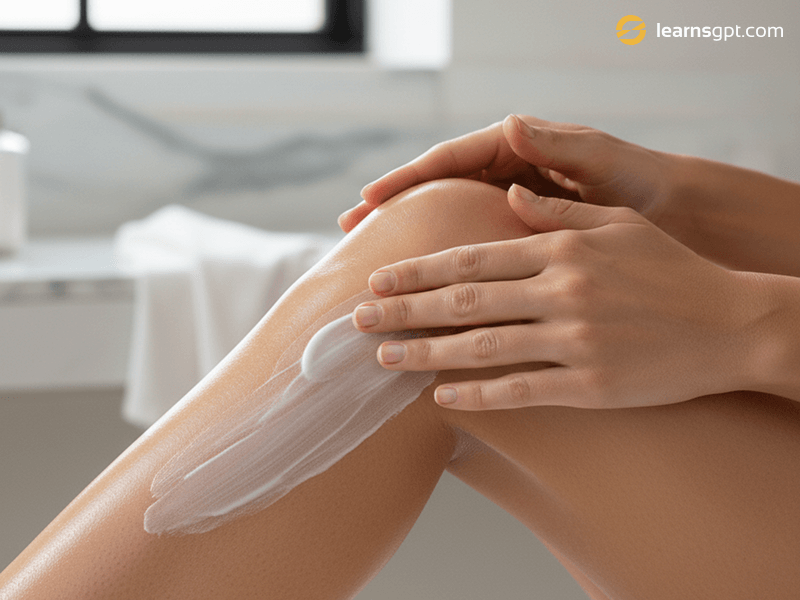
The lower legs are the furthest point from your heart, meaning they naturally have less blood flow. This often leads to extremely dry skin. Dry, flaky skin reflects sunlight rather than absorbing it. This lack of moisture is a primary reason why do my calves not tan.
4. The Angle of the Sun
Think about how you stand or walk. The sun hits the top of your head, your shoulders, and your upper thighs directly. Your calves, being vertical and often shaded by your own body, receive “glancing” UV rays.
5. Wearing Socks and Long Pants
It sounds obvious, but our lower legs are covered up for most of the year. While your arms might get incidental sun exposure while driving or walking in the spring, your calves are usually hidden in jeans or tall socks until the peak of summer.
Quick Solutions for Pale Lower Legs
Now that you know why do my calves not tan, here are some actionable tips to fix it:
- Moisturize Daily: Keep your calves heavily moisturized. Hydrated skin absorbs UV rays much better than dry skin.
- Stop Shaving Before Sunbathing: Try to shave a day or two before you go to the beach, not the morning of.
- Elevate Your Legs: When lying on a sun lounger, prop your legs up so your calves face the sun directly.
- Use a Gradual Self-Tanner: The safest way to fix the “pale leg” problem is to use a sunless tanner. If you are using lotion and want to calculate how much you need, you can read our easy guide on exactly how to measure calves.

Connecting Calves: A Funny Side Note
We love talking about calves on this site! Maybe you are a very active person. If you spend your winters on the mountains, you might have read our guide on why do my calves hurt after skiing. Or perhaps you are a runner who knows that tight calves cause shin splints. Despite all that outdoor activity, your lower legs are still pale because you wear tall athletic socks!
And of course, if you landed here because you are a farmer trying to give your baby cows a suntan… we can’t help you there! But we can help you find the best milk replacer for calves.
Frequently Asked Questions (FAQs)
Is it normal that my lower legs don’t tan?
Yes, it is entirely normal. Due to thicker skin, fewer pigment-producing cells, and frequent hair removal, lower legs are notoriously the hardest part of the body to tan for almost everyone.
Does dry skin prevent tanning?
Absolutely. Dry skin causes a build-up of dead skin cells that reflect UV light. Exfoliating gently a few days prior and moisturizing heavily is the best way to prepare your skin for a tan.
Why are my shins paler than my calves?
The skin over your shin bone is even thinner and has even less fat and blood flow than the muscle of your calf. This makes the front of your leg even more resistant to tanning than the back.
Can I use a tanning accelerator on my legs?
Yes, tanning accelerators or lotions with tyrosine can stimulate melanin production. However, always ensure you are also using proper SPF to avoid burning, which will only cause your skin to peel and become paler.
How can I match my pale calves to my tanned body safely?
The safest and most effective method is using a high-quality self-tanning mousse or gradual tanning lotion specifically on your lower legs to match the natural tan of your upper body.