
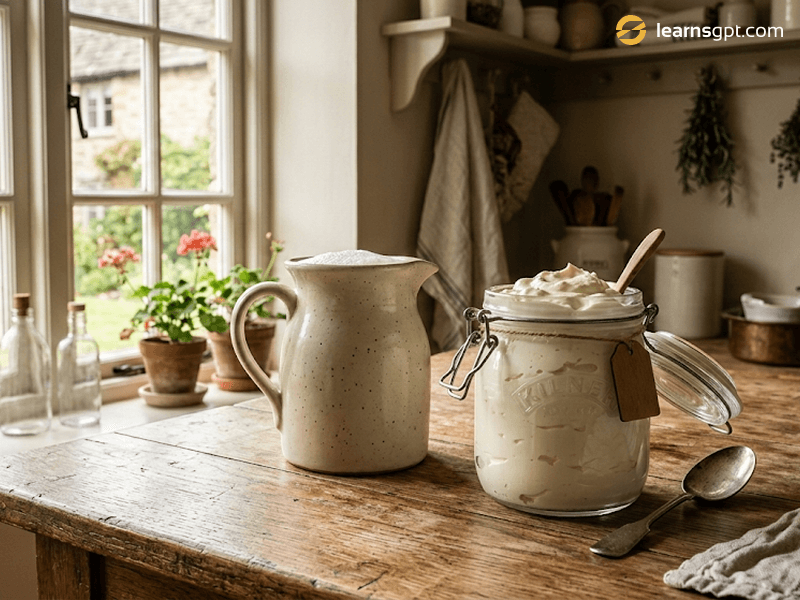
If you have access to fresh, unpasteurized farm milk, you are holding one of the most versatile ingredients in the culinary world. While store-bought dairy products are filled with artificial thickeners and preservatives, making it yourself offers unmatched flavor and probiotic benefits. Have you ever wondered how to make sour cream from raw milk right in your own kitchen?
The process of culturing dairy relies on naturally occurring beneficial bacteria. When you use unpasteurized milk, this process is incredibly simple, authentic, and rewarding.
In this comprehensive homesteading guide, we will answer exactly how to make sour cream from raw milk, walk you through 5 foolproof steps, and teach you how to achieve that perfect, thick, tangy texture every single time.
The Science of Cultured Dairy
To understand how to make sour cream from raw milk, you need a brief lesson in culinary science. Raw milk naturally contains lactic acid bacteria. When left at the right temperature, these bacteria consume the milk sugars (lactose) and produce lactic acid.
This acid lowers the pH of the cream, which causes the proteins to coagulate and thicken. The lactic acid is also what gives the final product its signature tangy, sour flavor. Because commercial milk is pasteurized (heated to kill all bacteria), you cannot culture it naturally without buying a commercial starter. Unpasteurized farm milk already has everything you need built right in!
For a deep dive into the health benefits of fermented foods and traditional dairy safety, you can explore the extensive resources provided by Cultures for Health.
What You Need Before Starting
Before you learn how to make sour cream from raw milk, you need to gather a few basic supplies.
First, you need fresh, high-quality unpasteurized milk. The amount of cream you get depends heavily on the cow. For instance, Jersey cows produce significantly more butterfat than Holsteins. You can learn more about these fat ratios in our guide exploring what are the different breeds of cattle.
Equipment List:
- 1 Gallon of fresh unpasteurized milk (left to sit in the fridge for 24 hours).
- A clean glass mason jar.
- A ladle or spoon.
- A breathable cover (like a coffee filter or cheesecloth) and a rubber band.
5 Steps: How to Make Sour Cream From Raw Milk
Follow these exact steps to culture your dairy safely and effectively.
Step 1: Skim the Cream
Leave your gallon of fresh milk undisturbed in the refrigerator for 24 hours. The heavy fat will naturally rise to the top, forming a thick “cream line.” Use a ladle to gently skim this rich cream off the top and transfer it into your clean glass mason jar.
Step 2: Add a Starter Culture (Optional but Recommended)
While raw cream will eventually sour on its own due to wild bacteria (a process called clabbering), adding a starter ensures a consistent, delicious flavor. Simply stir 1 tablespoon of live-culture buttermilk or previously made cultured cream into your fresh jar.
Step 3: The Fermentation Process
This is the core secret of how to make sour cream from raw milk. Cover the jar with a breathable coffee filter and secure it with a rubber band. Leave the jar sitting on your kitchen counter at room temperature (around 70°F to 75°F or 21°C to 24°C). Keep it out of direct sunlight.
Step 4: Wait and Watch
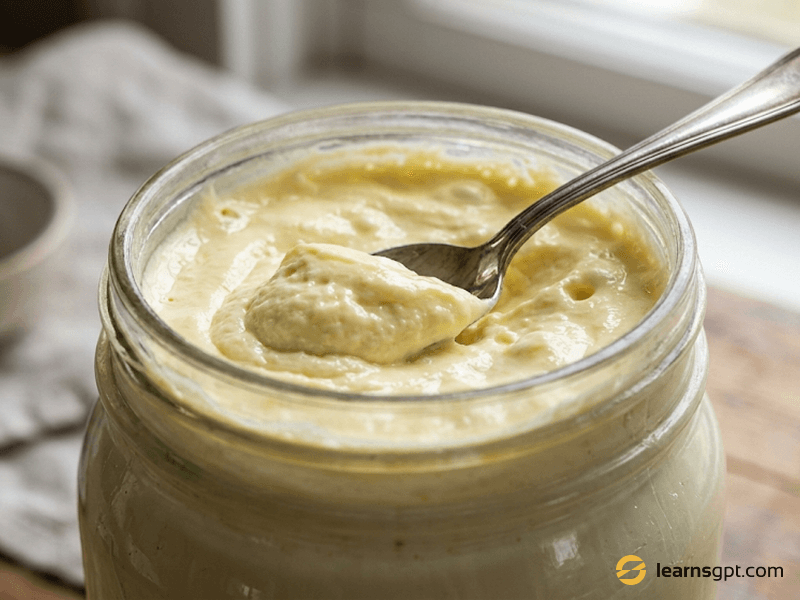
Allow the jar to ferment undisturbed for 12 to 24 hours. You will know it is ready when the liquid becomes thick and holds its shape slightly when you tilt the jar. It should smell pleasantly tangy, not rotten.
Step 5: Chill and Thicken
Once the fermentation is complete, remove the breathable cover and put a tight lid on the jar. Place it in the refrigerator for at least 6 hours. The chilling process halts the fermentation and allows the fats to solidify, creating a beautifully thick final product.
Using Your Fresh Homemade Cultured Cream
Now that you know exactly how to make sour cream from raw milk, you can elevate all of your home cooking.
Spoon it over hot baked potatoes, use it as a base for dips, or stir it into your favorite baking recipes for added moisture. If you find yourself cooking a rich recipe but are missing some ingredients, remember that dairy is highly versatile! Check out our culinary guide on how can I replace heavy cream with milk for more kitchen hacks.

Frequently Asked Questions (FAQs)
Is it safe to learn how to make sour cream from raw milk?
Yes, as long as the unpasteurized milk comes from a healthy, clean, and trusted farm. The natural lactic acid produced during fermentation creates an acidic environment that naturally prevents harmful pathogens from growing.
Why did my cream turn out thin and runny?
If your final product is too thin, your kitchen might have been too cold during the fermentation step, or you did not let it sit on the counter long enough. It usually needs a full 24 hours in a warm room to thicken properly.
Can I use pasteurized store-bought milk for this recipe?
No. Ultra-pasteurized commercial milk lacks the natural bacteria required for this specific traditional method. If you use store-bought cream, you MUST add a commercial starter culture (like buttermilk), or it will simply spoil instead of fermenting.
How long does homemade sour cream last in the fridge?
When stored in an airtight glass jar in the refrigerator, your freshly cultured dairy will easily last for 2 to 3 weeks. It will continue to get slightly more tangy as it ages.
What is the difference between crème fraîche and sour cream?
They are very similar, but crème fraîche has a higher fat content and a milder, less acidic flavor. Sour cream has about 20% fat and is noticeably tangier, making it better for savory dishes and garnishes.