
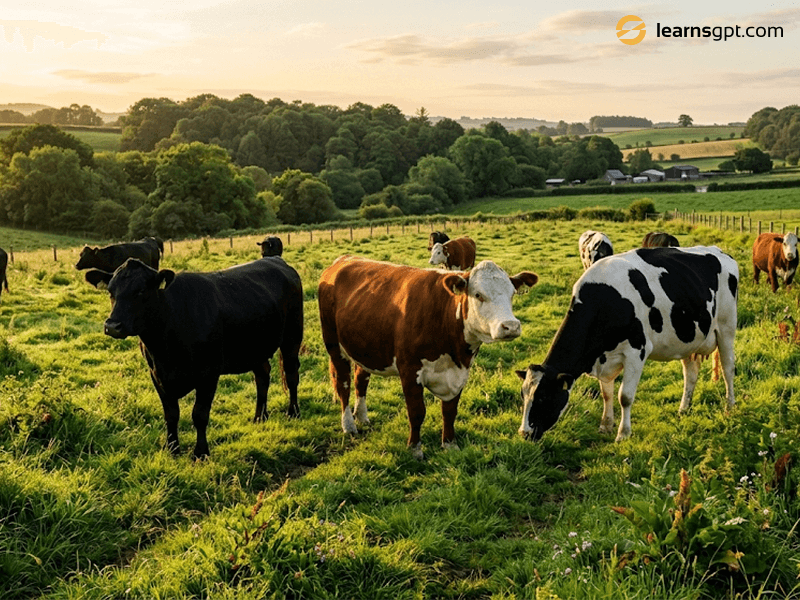
If you are planning to start a homestead, expand your current farming operation, or simply want to learn more about agriculture, you might be asking: what are the different breeds of cattle available today?
Walking into a livestock auction or driving past large farms can be overwhelming. You will see cows in almost every color, shape, and size imaginable. Selecting the right breed is the most important decision a farmer can make, as it directly impacts profitability, daily chores, and land management.
In this comprehensive guide, we will break down the different breeds of cattle, categorize them by their primary agricultural purpose (beef versus dairy), and help you understand which one is best suited for your specific goals.
Understanding the Main Categories of Cattle
Before looking at specific animals, it is important to know that the different breeds of cattle are generally divided into two main categories: Beef and Dairy.
Beef cattle are bred specifically to pack on muscle and weight quickly, thriving on open pasture. Dairy cattle, on the other hand, are bred specifically to convert their feed into large volumes of high-quality milk. Attempting to use a dairy cow for commercial beef, or vice versa, is highly inefficient.
For an extensive, scientifically backed database on global livestock genetics, you can explore the Oklahoma State University Breeds of Livestock Project.
4 Different Breeds of Cattle for Beef
When farmers research the different breeds of cattle for meat production, they usually look for fast growth rates, good meat marbling, and strong maternal instincts. Here are the top four:
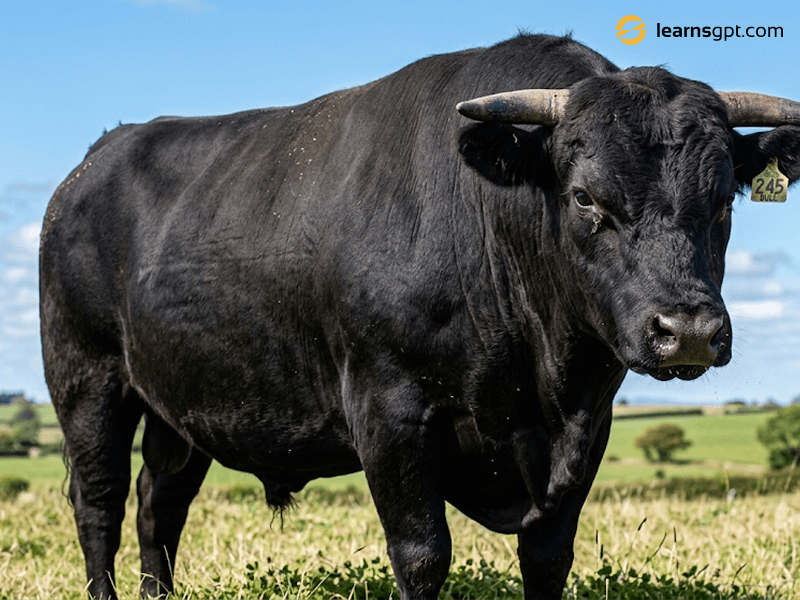
1. Black Angus
Originating from Scotland, the Black Angus is the most popular beef breed in the United States. They are solid black, naturally polled (they do not grow horns), and are famous for producing highly marbled, tender beef.
2. Hereford
Easily recognizable by their dark red bodies and stark white faces, Herefords are incredibly hardy. They are excellent foragers and can survive in harsh weather conditions, making them a favorite for open-range farming.
3. Charolais
These large, heavily muscled white cattle originate from France. They grow very rapidly and are often used in crossbreeding programs to add size and weight to a herd’s offspring.
4. Brahman
Identified by the large hump on their back and long, floppy ears, Brahmans are highly resistant to heat, insects, and disease. They are essential for beef farming in hot, humid, southern climates.
3 Different Breeds of Cattle for Dairy
If your goal is to produce milk, cheese, or butter, you need to look at the different breeds of cattle developed specifically for high dairy yields.
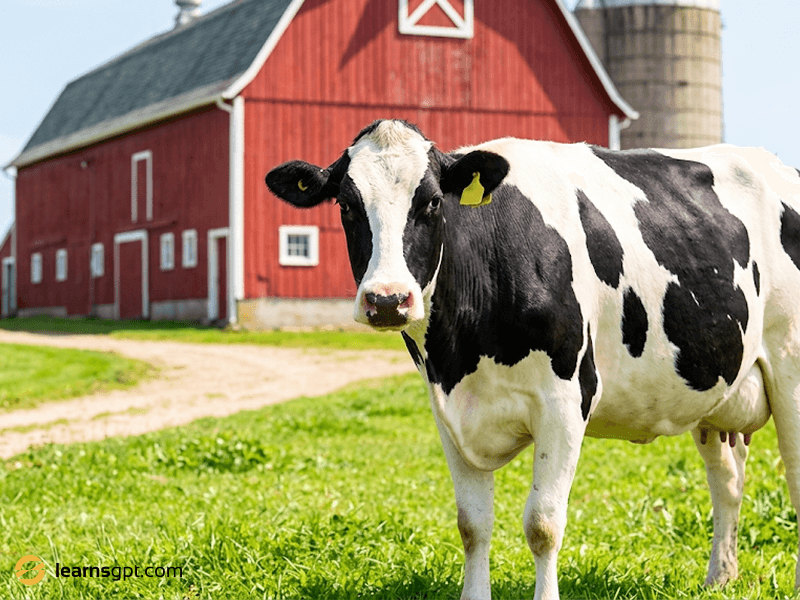
1. Holstein
The Holstein is the iconic black-and-white spotted cow you see in children’s books. They are the undeniable kings of the dairy industry, producing more volume of milk per day than any other breed in the world.
2. Jersey
Jerseys are smaller, light brown cows with beautiful, large eyes. While they produce less milk by volume than Holsteins, their milk has the highest butterfat content, making it the absolute best choice for making rich butter and artisan cheese.
3. Brown Swiss
As one of the oldest dairy breeds, the Brown Swiss is a large, docile cow that produces a high volume of milk with an excellent protein-to-fat ratio. They are incredibly strong and live longer than most other dairy breeds.
Caring for the Different Breeds of Cattle
No matter which of the different breeds of cattle you choose, proper management is the key to success.
First, you need to plan your herd’s growth. Understanding when is calving season for your specific breed will help you prepare your barns and pastures for the new arrivals. If you are starting from scratch and need to buy animals, you must research how much are calves to buy based on current market rates for beef versus dairy.
Additionally, emergencies happen on every farm. Sometimes, due to stress or poor genetics, you might experience issues during birth. Knowing exactly why do cows reject their calves can save a newborn’s life. If you do end up with an orphaned baby, especially a fragile dairy breed, having the best milk replacer for calves on hand is absolutely crucial for their survival.
Frequently Asked Questions (FAQs)
Which of the different breeds of cattle is the most profitable?
For commercial beef, Angus is generally the most profitable due to the high consumer demand for Certified Angus Beef. For commercial dairy, Holsteins are the most profitable because of their massive daily milk volume.
Are there dual-purpose breeds of cattle?
Yes. Breeds like the Dexter or the Milking Shorthorn are considered “dual-purpose.” They provide a respectable amount of milk for a family while also growing large enough to fill a freezer with beef. They are perfect for small homesteads.
Can different breeds of cattle mate with each other?
Absolutely. Crossbreeding is a very common practice. For example, mating a Hereford with an Angus produces a “Black Baldy,” a highly desirable calf that carries the best genetic traits of both parent breeds.
What is the easiest breed of cattle for beginners to raise?
For beginners, Herefords and Dexters are highly recommended. Herefords are docile, excellent mothers, and easy to keep on grass. Dexters are smaller in size, making them much easier to handle and less intimidating for new farmers.
Do all breeds of cattle have horns?
No. Some breeds are “naturally polled,” which means they are born without the genetic ability to grow horns (like the Angus). Other breeds naturally grow horns (like the Texas Longhorn or Highland cattle).